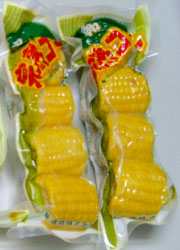
 At one point during the cheese course thing at the weekend, the topic of conversation turned to packaging. For us hobbyist cheese makers, it’s not an issue but for the guy running the course and the woman hoping to set up a small scale cheese company, it’s an important thing to consider: balancing appearance with food safety/durability, cost and, of course, the environmental impact.
Both of them were considering the well-trodden route for pre-packed cheese packaging – vacuum packed in pretty plastic wrapping – because it seems lower waste than the current option (clear plastic wrap then paper/cardboard to make them more presentable). But because you invariably have to cut into such wrapping to open it, it can’t be reused (it’s seldom even good enough to continue using around the remainder of the half-eaten product) and while the plastic – typically polythene (LDPE, resin code 4) – can be recycled, it’s not kerbside recycled everywhere and crucially, it’s often not marked so people don’t know it can be recycled.
The cheese wrapping discussion got me thinking about packaging in general, and about something I’d been thinking about since my Graze box rant last week. Following the 3Rs, we should first REDUCE, before thinking about REUSING and RECYCLING – but sometimes, in some situations, it seems better to get a larger amount/weight of packaging that’s easier to reuse or recycle.
A few examples:
- The supermarket near me sells luxury pâté in a vacuum sealed pack but the cheaper stuff in a little plastic tub. The plastic tub is heavier/sturdier so used more natural resources in its manufacture but now I can reuse it for storing small quantities of leftovers etc.
- In the past, we’ve bought luxury ready-meal desserts in reusable dishes – souffles in glass ramekins and crème brulees in shallow glazed terracotta bowls. Both the ramekins & terracotta bowls have entered our crockery supply and been in circulation for years. Plastic tubs, even reused a few times, would probably have well gone by now.
- I pick pickles & condiments in heavy glass jars rather than light, unbreakable plastic squeezy bottles because glass recycling is more efficient than plastic (and here, we can doorstep recycle glass but not plastic). I can also reuse the glass jars for preserving, saving me from having to buy new jars for that.
So what do you think? Would you prefer items to be packed in the least amount of packaging possible or prefer more packaging but something more reusable or easier to recycle? Would/do you pay more for items with reusable/recyclable packaging?



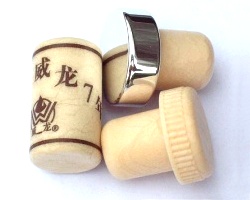 Back in the day, way back in the day, we featured reuses and recycling ideas for wine corks – and there are lots of great suggestions on there. But they nearly all are for real corks, not the synthetic alternatives so I thought it might be interesting to focus on those now instead.
 Hey guys, sorry I haven’t got time to write a full Recycle This post today – but can I point you to the latest article on my new blog
  We’ve had an email from Jess:
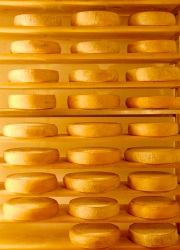 Apologies for not posting yesterday – I was away on an “introduction to cheesemaking” course over the weekend and too tired to type yesterday ;)